Ordre blir vanligvis levert til Norge innen 48 timer. Leveringstid vil avhenge av beliggenhet.
Fri frakt til Norge på ordre over kr 420. Det tilkommer frakttillegg på kr 145 på alle ordrer på under kr 420.
UPS-frakt forhåndsbetalt: DDP (toll og toll betalt av DigiKey)
FedEx- eller DHL-frakt forhåndsbetalt: CPT (toll, toll og merverdiavgift som skal betales ved levering)
Kredittkonto for kvalifiserte institusjoner og virksomheter
Forhåndsbetaling med bankoverføring
![]()
![]()
![]()
![]()


Flere produkter fra fullt autoriserte partnere
Gjennomsnittlig forsendelsestid 1–3 dager, ekstra fraktkostnader kan tilkomme. Se produktsiden, handlekurven og kassen for faktisk forsendelsestid.
Incoterms: CPT (toll, importavgifter og gjeldende merverdiavgift betales ved levering)

For mer informasjon, besøk Hjelp og support
This guide demonstrates how to add a custom object detection machine learning model to the XRP robot.
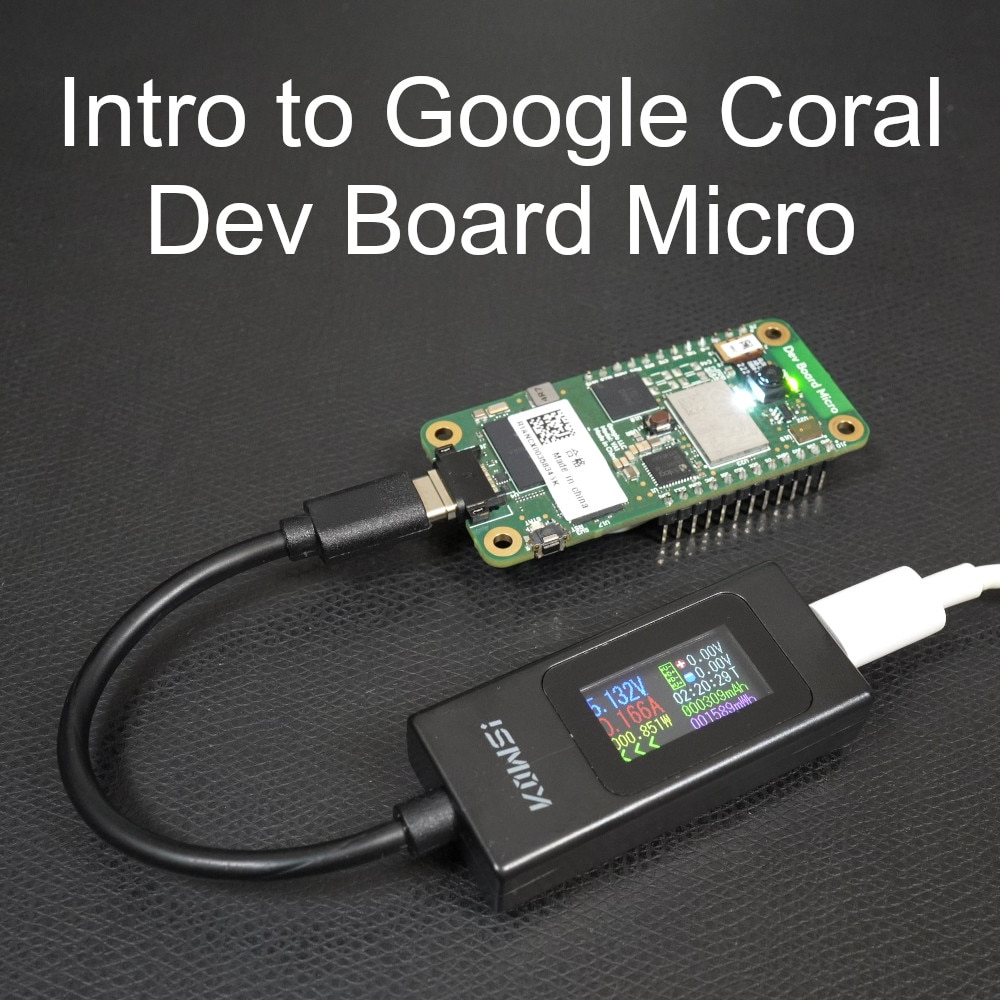
This tutorial demonstrates how to train and deploy a custom object detection model for the Google Coral Dev Board Micro.
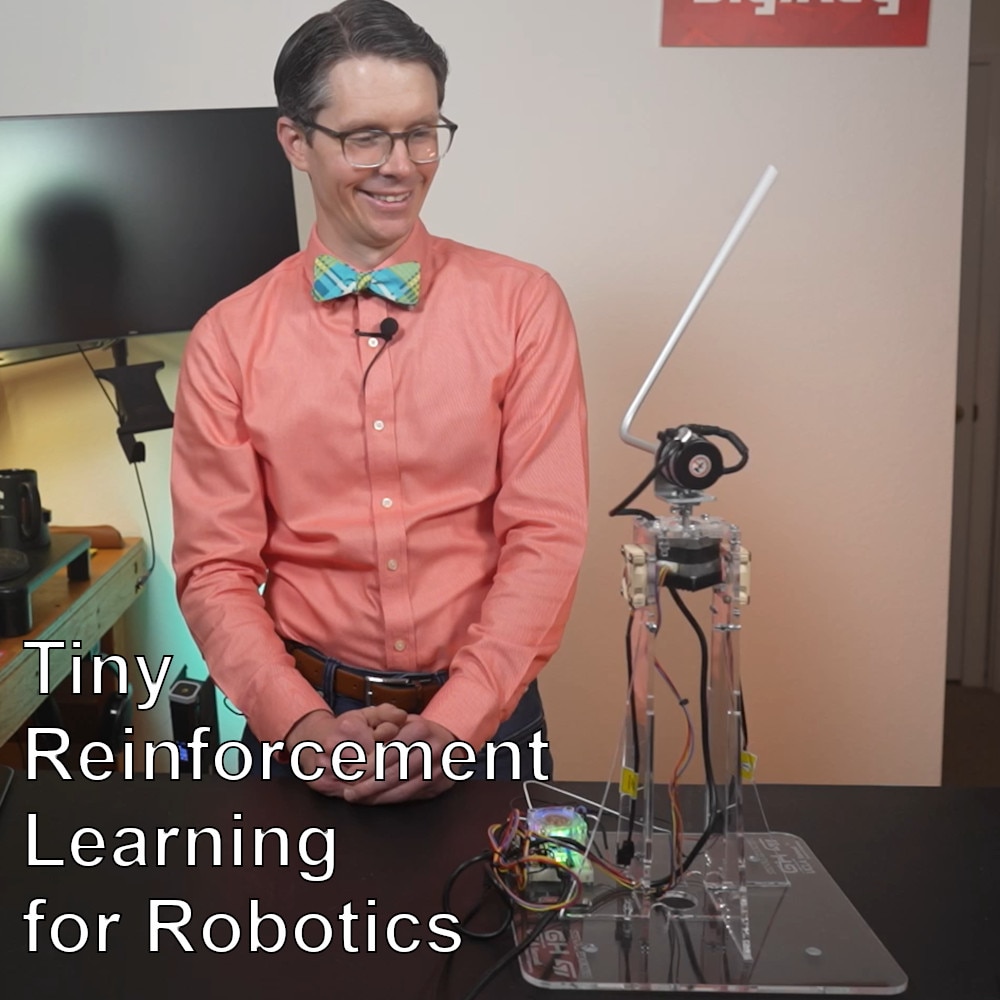
This project demonstrates using reinforcement learning to solve the swing-up problem on an inverted pendulum
This tutorial demonstrates hyperparameter tuning using Meta's Ax framework for a common reinforcement learning problem
In this tutorial, we demonstrate how to manually tune a PID controller.
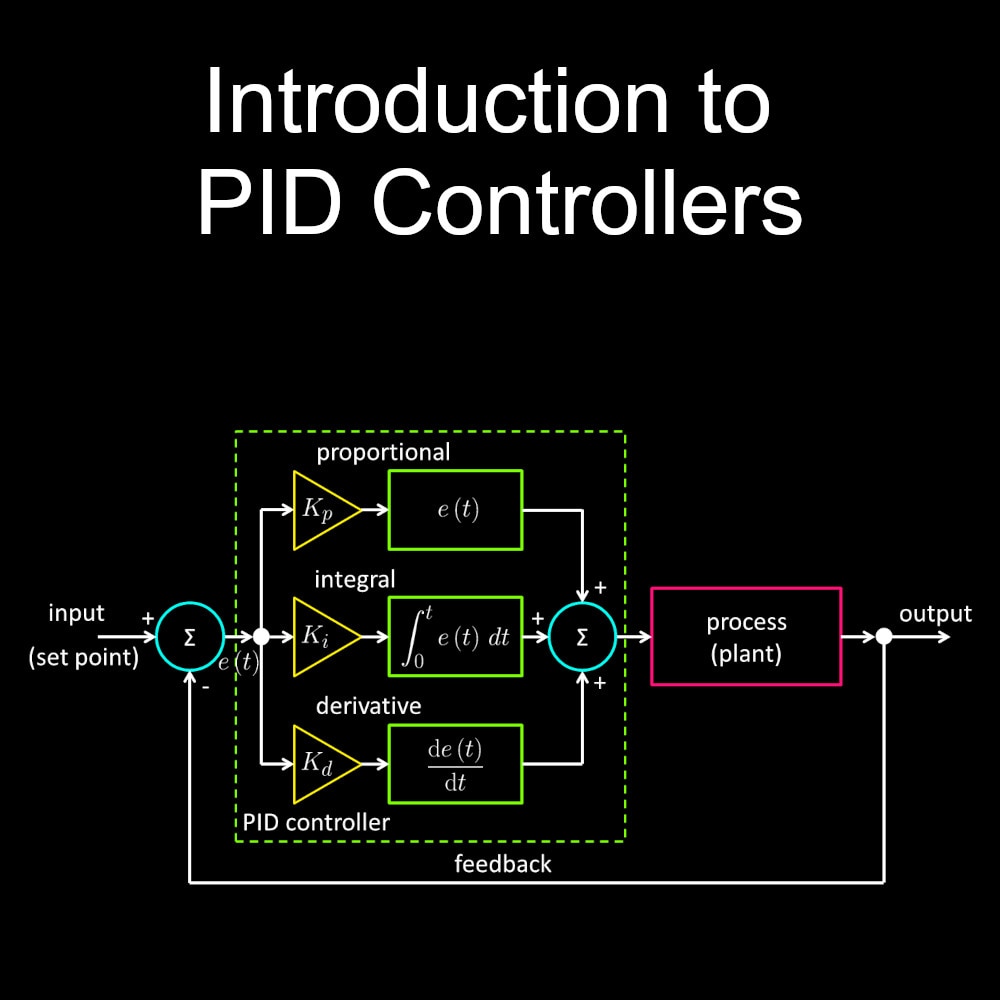
In this post, we cover the basic theory behind PID controllers. PID stands for “Proportional, Integral, Derivative," and they are commonly used in industrial settings to control various processes.
Digit's AI-powered brain enables local real-time voice conversations using Hopper Chat and Llama 3. Learn how to set it up with NVIDIA Jetson Orin Nano.
In this tutorial, we'll create a very simple button-controlled blinking LED program using Embassy's async functions and task spawning, demonstrating how async/await syntax allows you to write concurrent code that appears sequential while the executor efficiently switches between tasks.
In this tutorial, we’ll explore how to use the Raspberry Pi Debug Probe to perform step-through debugging in Rust.
In this tutorial, we'll explore how to configure and handle timer interrupts on the Raspberry Pi Pico 2, creating a blinking LED program where the processor spends most of its time sleeping while hardware interrupts handle all the timing.
In this tutorial, we'll explore how to apply TDD principles to embedded Rust by writing unit tests for our TMP102 driver library.
In this tutorial, we’ll discuss the concept of lifetimes and demonstrate a few ways in which you can help the compiler (and borrow checker) understand your intentions with references by using lifetime annotations.
In this tutorial, we'll learn how to create a reusable library (crate) in Rust by extracting our TMP102 sensor code into a separate package that can be shared across multiple projects.
Takk skal du ha!
Hold øye med innboksen din for nyheter og oppdateringer fra DigiKey!
Angi en e-postadresse
Godta i avmerkingsboksen